
Donec efficitur, ligula ut lacinia
viverra, lorem lacus.
Donec efficitur, ligula ut lacinia
viverra, lorem lacus.

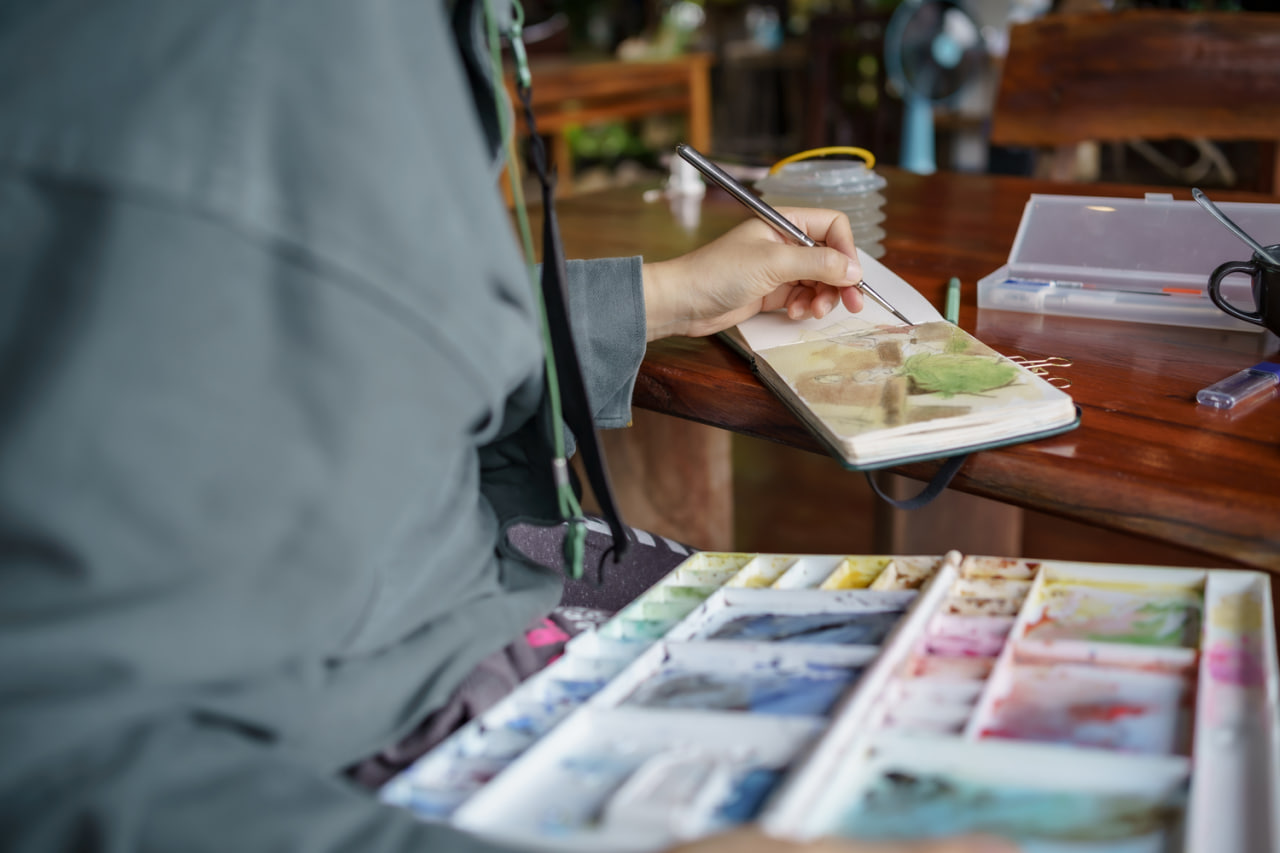
Nature transforms dramatically throughout the year, offering endless inspiration for watercolor artists. Observing and painting seasonal changes allows artists to explore color, texture, and mood in a dynamic way. Each season brings unique opportunities to practice different techniques and evoke specific emotions in your work.
By connecting with the natural rhythms of the year, artists can create paintings that feel alive, authentic, and deeply resonant.
Spring is a time of growth and rejuvenation. Budding flowers, fresh greenery, and flowing streams provide vibrant color palettes perfect for watercolor.
Spring paintings often capture movement, light, and the fresh energy of the season. Pay attention to soft pastels, bright greens, and the contrast between emerging foliage and lingering remnants of winter.
Summer brings full bloom, dense foliage, and the warmth of sunlight. Colors are rich, intense, and varied, from deep forest greens to vibrant flower tones.
Summer paintings often evoke warmth, vibrancy, and abundance, celebrating the richness of the natural world.
Autumn showcases the beauty of change, with leaves turning golden, red, and brown. The season inspires paintings rich in earthy tones, soft light, and a sense of transition.
Autumn paintings emphasize subtlety, contrast, and the fleeting nature of seasonal transformation, reflecting a contemplative mood.
Winter landscapes are often stark, minimal, and quiet. Bare trees, frost, and snow create a subdued, serene atmosphere.
Winter painting focuses on mood, composition, and subtle color shifts, highlighting the beauty of stillness and imperfection.
Painting nature across seasons encourages versatility and creativity. Combining observations from different times of the year allows artists to develop a broader palette, experiment with mood and lighting, and convey the passage of time in their work. Seasonal inspiration also encourages mindfulness, helping artists connect deeply with the natural world.