
Donec efficitur, ligula ut lacinia
viverra, lorem lacus.
Donec efficitur, ligula ut lacinia
viverra, lorem lacus.

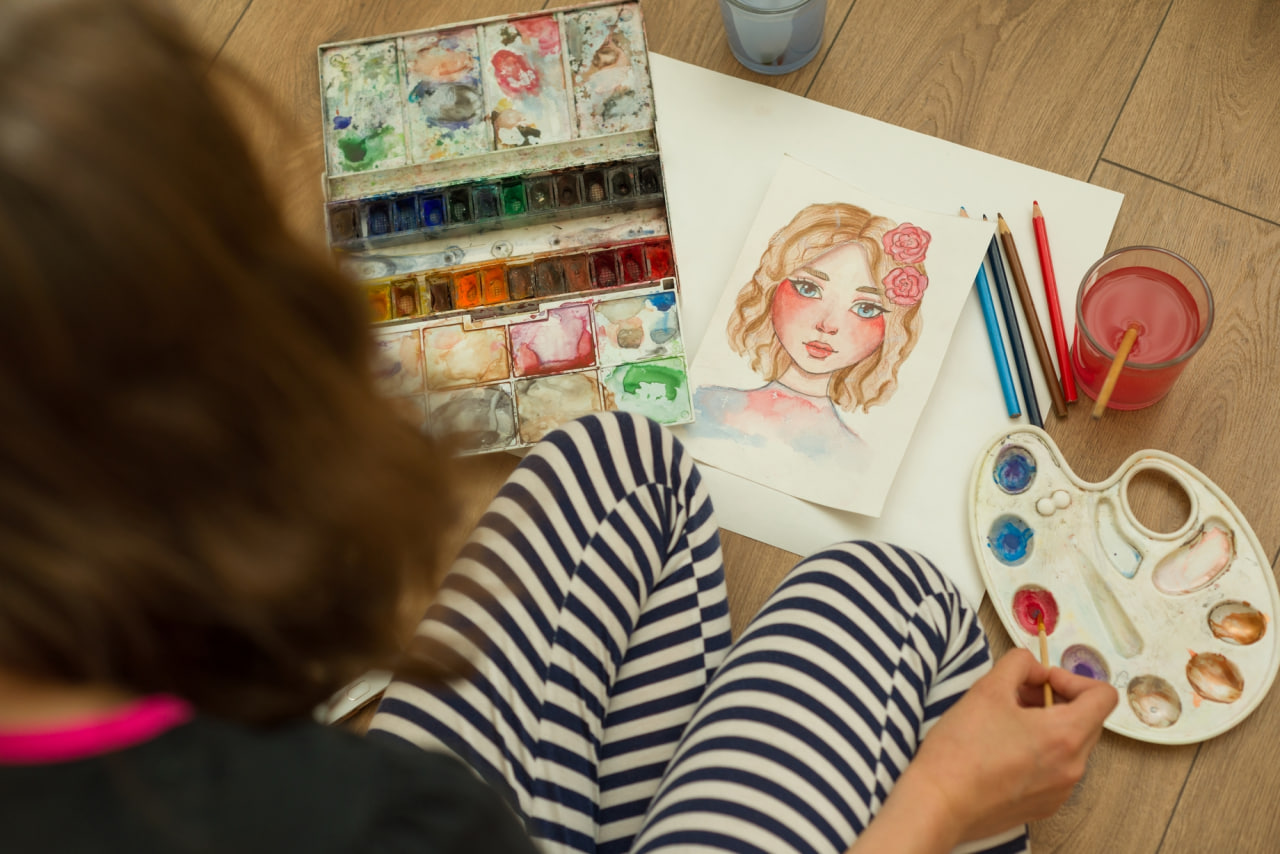
Blending and layering are fundamental techniques in watercolor painting that allow artists to create depth, dimension, and texture. While a single wash can be beautiful on its own, combining multiple layers and blending colors skillfully brings richness and complexity to a painting. Mastering these techniques helps artists achieve realistic effects, subtle transitions, and a sense of atmosphere in their work.
Watercolor is a transparent medium, meaning each layer interacts with the ones beneath it. The way pigments flow, mix, and settle can be controlled with the amount of water, brush pressure, and timing. Understanding how colors behave—whether they spread, granulate, or blend—is essential for effective layering and blending.
Observing the natural drying patterns of your paint and experimenting with different water-to-pigment ratios allows for greater control over subtle transitions and textured effects.
Applying wet pigment onto wet paper creates soft, seamless transitions between colors. This technique is ideal for skies, water, or gradients. To master wet-on-wet blending:
Wet-on-dry blending involves applying wet pigment onto a dry layer of paint. This method allows for more defined transitions while still achieving a gradient effect. It is useful for layering shadows, defining edges, or creating subtle color shifts in objects.
Using a damp brush, gently soften the edges of your strokes to create smooth transitions. This technique helps blend colors naturally and avoids harsh, abrupt lines that disrupt the flow of the painting.
Glazing involves applying transparent layers of paint over a dried base. Each layer adds intensity, changes tone, or introduces new color nuances. Key tips for glazing:
Layering enables artists to develop realistic light and shadow. Begin with lighter tones and progressively add darker layers to define form. Highlights can be preserved by leaving paper areas untouched or lifting pigment with a damp brush.
Different brush techniques, sponges, or salt effects can be incorporated in layers to add texture. By combining multiple layers with varied application methods, you can create surfaces that appear three-dimensional and tactile.
Blending and layering are most effective when used together. Soft blended backgrounds can set the stage for layered focal points, creating contrast and depth. For example: